
Understanding the cultural significance of casinos in modern society
Historical Context of Casinos
Casinos have a rich history that reflects the evolution of social norms and leisure activities. Originating in the early 17th century in Italy, the concept of a gambling house quickly spread across Europe and beyond. These establishments were not merely places to gamble; they became social hubs where individuals from different walks of life could gather, socialize, and escape the rigors of daily life. The rise of casinos paralleled the development of modern cities, and their cultural significance has continued to evolve through the ages. People often turn to platforms like fortislots.casino for a contemporary gaming experience.
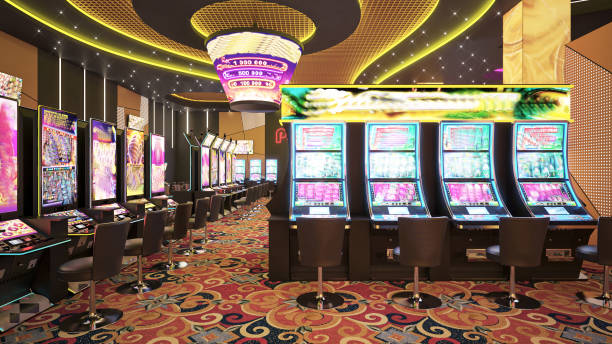
The popularity of casinos surged in the 19th century with the establishment of gaming houses in places like Monte Carlo and Las Vegas. These locations transformed into cultural landmarks, drawing visitors from all over the world. This integration of gambling with tourism not only contributed to local economies but also shaped cultural identities, making casinos synonymous with glamour and excitement. In this context, casinos functioned as both entertainment venues and symbols of aspiration, reflecting societal values and desires.
Today, the historical backdrop of casinos continues to influence their cultural significance. While the face of gambling has changed—now including online platforms and digital gaming—the core idea remains rooted in social interaction and recreation. The allure of casinos represents a blend of history, tradition, and modernity, making them vital components of contemporary culture and leisure activities.
Casinos as Social Spaces
Casinos serve as essential social spaces in modern society, bringing together diverse groups of people under one roof. Whether through poker tables, slot machines, or live entertainment, these establishments foster interaction and community. The atmosphere in a casino is often electric, encouraging conversations and connections among players who might not otherwise meet. This unique environment facilitates social engagement, breaking down barriers related to age, background, and culture.
The cultural role of casinos extends beyond gambling; they often host events such as concerts, parties, and exhibitions that enrich local culture. These events attract not just gamblers but also individuals interested in entertainment and socializing. This multifaceted appeal has solidified casinos as integral parts of urban life, serving as venues for both leisure and cultural activities. For many, visiting a casino has become a ritualistic experience that combines excitement with a sense of belonging.
Moreover, casinos often reflect the local culture and identity through their design, themes, and offerings. From luxurious decor inspired by regional heritage to culinary experiences that celebrate local cuisine, casinos can act as ambassadors of local culture while providing a thrilling experience. This cultural representation enhances their significance as social spaces, making them essential not only for entertainment but also for cultural exchange and identity formation.
Economic Impact of Casinos
The economic impact of casinos on modern society cannot be understated. They contribute significantly to local and national economies through job creation, tourism, and taxes. Many regions that host casinos see a boom in employment opportunities, ranging from hospitality to entertainment. This influx of jobs benefits the community, providing livelihoods and stimulating economic growth. Additionally, casinos often invest in local infrastructure, further enhancing their economic contributions.
Tourism is another vital aspect of the economic impact of casinos. Casinos attract millions of visitors each year, generating substantial revenue not only for themselves but also for surrounding businesses such as hotels, restaurants, and shops. This symbiotic relationship creates a vibrant economy that thrives on the influx of tourists looking for entertainment and leisure activities. The economic benefits extend beyond immediate financial gains, fostering long-term development in many regions.
Moreover, the revenue generated from casinos often supports public services and community initiatives. Local governments can use tax revenues to fund education, healthcare, and infrastructure improvements, enhancing the quality of life for residents. In this way, casinos contribute to a cycle of economic development that benefits both individuals and communities at large, underscoring their significance in modern society.
Cultural Representation and Stereotypes
Casinos also play a complex role in the cultural representation of gambling, often reflecting and perpetuating stereotypes. Popular media frequently portrays casinos as glamorous yet perilous environments, where fortune and misfortune coalesce. While these depictions can draw interest, they can also reinforce negative stereotypes about gambling addiction and the associated societal issues. Such representations can lead to misconceptions about the nature of gambling, skewing public perception.
The portrayal of casinos in film and literature often emphasizes the thrill of risk-taking while downplaying the consequences of irresponsible gambling. This imbalance can influence societal attitudes, leading some to romanticize the casino experience while ignoring its potential pitfalls. As a result, there is an ongoing dialogue about responsible gambling and the importance of education to mitigate the risks associated with gambling behavior.
However, not all cultural narratives surrounding casinos are negative. Many individuals view casinos as places of excitement and community, where personal stories of triumph and luck are born. This duality in representation highlights the need for a balanced understanding of the cultural significance of casinos. By recognizing both the allure and the risks, society can foster a more nuanced conversation about gambling and its role in contemporary life.

Fortislots Casino: A Modern Example
Fortislots Casino exemplifies the modern evolution of gaming platforms, combining technology with the traditional elements of casino culture. As an online gaming site, Fortislots offers a diverse range of games, from classic slots to live dealer tables, catering to various preferences and tastes. This inclusivity reflects the changing landscape of gambling, where accessibility and convenience are paramount, allowing players to engage with casino culture from the comfort of their homes.
Additionally, Fortislots Casino places a strong emphasis on user experience. With 24/7 support and regular promotions, the site aims to create a welcoming environment for both new and returning players. The integration of secure payment options, including cryptocurrency, demonstrates a commitment to innovation and customer satisfaction. Such features illustrate how modern casinos are adapting to the needs of contemporary society, ensuring that the cultural significance of gambling evolves alongside technological advancements.
Ultimately, Fortislots Casino highlights the ongoing relevance of casinos in our lives. By blending tradition with innovation, it embodies the dual nature of gambling as a source of entertainment and community. As society continues to navigate the complexities of gambling, modern casinos like Fortislots will play a crucial role in shaping the cultural landscape, ensuring that their significance remains dynamic and relevant.
Deja una respuesta