
The Allure of Chance and Risk
The psychology behind casino gaming is profoundly intertwined with the allure of chance and risk. For many players, the thrill associated with wagering their money on uncertain outcomes delivers an adrenaline rush that few other activities can replicate. This excitement often transcends the act of gambling; it becomes a psychological experience that combines hope, fear, and exhilaration. Research shows that individuals are drawn to unpredictable situations, as they evoke strong emotional responses. The anticipation leading up to the outcome of a spin on a roulette wheel or the flip of a card can be electrifying, especially when considering options like $10 neosurf casino australia as players experience a blend of anxiety and excitement.
Moreover, the concept of risk-taking plays a vital role in attracting individuals to casino gaming. Many people seek escapism and adventure in their lives, and casinos provide a perfect environment for individuals to take risks in a controlled setting. The ability to engage in risky behavior without immediate repercussions outside of monetary loss can encourage players to push their limits. For instance, a player may enter a gaming room with a set budget but find themselves drawn into the excitement of the game, leading them to increase their bets, driven by the quest for further thrills.
The immediate feedback loop of wins and losses within casinos also contributes to their psychological grip on players. Winning can trigger a surge of dopamine, the brain’s feel-good hormone, creating a positive reinforcement cycle. This chemical reaction not only reinforces the behavior but also makes the experience more memorable. As players recall their wins, they may develop a skewed perception of their chances of winning in future games, leading to increased playtime and further engagement in casino activities.
The Role of Environment in Gambling Behavior
Casinos are designed with meticulous attention to the environment, playing a crucial role in influencing player behavior. From the moment individuals step inside a casino, they are enveloped in a sensory experience that captures attention and heightens excitement. The use of bright lights, engaging sounds, and the strategic placement of machines and tables work together to create an atmosphere that fosters prolonged gaming. This intentional design encourages players to lose track of time, often resulting in extended gambling sessions beyond their original intentions.
The layout and ambiance of a casino are more than just decorative; they are strategically crafted to maximize engagement. The absence of clocks and windows helps to create a timeless environment where players can immerse themselves without the distraction of the outside world. Additionally, casinos utilize the concept of near-miss experiences to maintain player interest. For instance, when a player almost wins, it can lead to a feeling of encouragement rather than discouragement, prompting them to continue playing in hopes of achieving that elusive win.

Furthermore, the social aspect of casino gaming cannot be overlooked. Many players enjoy the communal experience of gambling, whether at a lively poker table or a bustling slot machine area. Interactions with fellow players and friendly dealers can enhance the overall enjoyment and create a sense of camaraderie. This social element can further influence decisions and elevate the gambling experience, making it more than just a solitary endeavor but rather a shared adventure that can lead to positive reinforcement through social acceptance and enjoyment.
The Impact of Cognitive Biases on Gambling Choices
Cognitive biases play a significant role in how individuals approach and engage with casino gaming. One prevalent bias is the illusion of control, where players believe they can influence outcomes based on their actions. For example, slot machine players may think that pressing the button at a specific moment will increase their chances of winning, despite the fact that these machines operate purely on random number generators. This belief can lead to repeated plays and increased spending, as individuals feel a false sense of empowerment over their gaming outcomes.
Another key cognitive bias affecting gambling behavior is the gambler’s fallacy, which is the mistaken belief that past events can influence future outcomes. For instance, a player may refrain from betting on a particular number in roulette because they think it is «due» to win after a long losing streak. This misperception can skew rational decision-making and lead to strategies that are based more on superstition than statistical reality. Such biases often contribute to continued patronage, ultimately fueling a cycle of play that can escalate quickly.
Moreover, the concept of loss aversion plays a crucial role in gambling psychology. Players may be more motivated to avoid losses than to pursue gains, leading to a tendency to chase losses aggressively. This behavior can result in significant financial consequences as players attempt to recover what they have lost. The emotional discomfort associated with losing can often outweigh the pleasure derived from winning, prompting players to engage in riskier behavior that they might not normally consider if they were not in an emotionally charged state.
The Role of Rewards and Loyalty Programs
Casino operators understand the importance of implementing rewards and loyalty programs, capitalizing on players’ psychological tendencies to create a sense of belonging and appreciation. These programs are designed to incentivize players to return, fostering a sense of loyalty by providing rewards based on gameplay. As players accumulate points or rewards, they experience feelings of achievement and recognition, which can encourage them to spend more time and money in the casino.
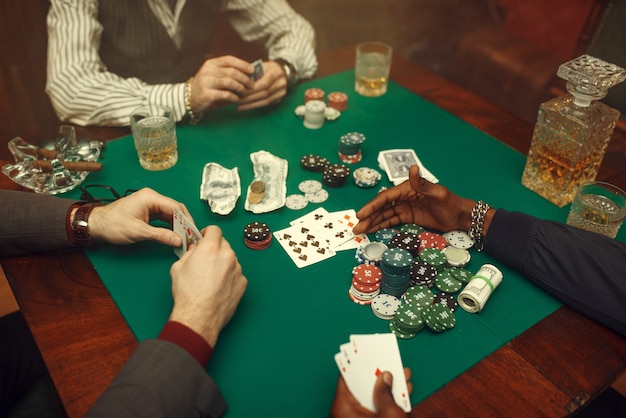
The psychology behind reward systems can be linked to the concept of operant conditioning, where behaviors are reinforced through rewards. For many players, receiving complimentary drinks, meals, or exclusive access to events can enhance their gambling experience and create positive associations with the casino. Additionally, personalized offers based on gaming behavior can make players feel valued, reinforcing their commitment to the casino and encouraging them to continue engaging with the various games offered.
It is also essential to consider how these reward programs can perpetuate gambling behavior. The more players are exposed to incentives, the more likely they are to perceive value in regular gaming, leading to increased frequency of visits and deeper financial investment. This cycle of reward and engagement often keeps players returning, driving their participation and spending habits, which, while beneficial for casinos, can have detrimental effects on the players themselves if not managed responsibly.
Understanding the Psychology of Casino Gaming on Our Website
Our website serves as a comprehensive resource for those wishing to delve into the psychology of casino gaming further. By providing insightful articles, analyses, and resources, we aim to educate readers on various aspects of gambling behavior, from cognitive biases to environmental influences. This knowledge is invaluable for both players looking to understand their gaming habits and for industry professionals seeking to create responsible gaming environments.
We delve into the psychological motivations behind gambling choices and provide tools and strategies for players to make informed decisions. Our goal is to promote a better understanding of gambling behaviors while encouraging responsible play. We believe that awareness is the first step toward a healthier relationship with gaming.
Whether you are a seasoned player or a curious newcomer, our website is dedicated to fostering a deeper understanding of the psychological elements that shape casino gaming. Join us as we explore this fascinating intersection of psychology and gaming, enhancing your appreciation for the complexities of this thrilling yet challenging activity.